McKinsey: Time to Manage Behavior, Not Just Portfolios
Curated Article Commentary
by Grant Barger
The big data that gets reported from McKinsey has very little to do with the success or failure of your business as an entrepreneurial financial professional.
The title of this curated article (below) has it right, but the content of the article gets it wrong. This is digital noise.
Read The Curated Archived Story Here
McKinsey: Time to Manage Behavior, Not Just Portfolios
The low-hanging fruits in financial markets leading to easy investment profits are well picked over. Now advisors need to focus on blocking and tackling – the basics of wealth management.
At least that’s the insight many FAs glean from the latest market warnings from McKinsey & Co. After a fairly “stellar” era of investment performance across broad stock and bond asset classes over the past 30 years, the consultancy is forecasting “returns are likely to come back down to earth over the next 20 years.”
“Although we’re not necessarily in agreement with all of their numbers, we think that this latest market forecast by McKinsey is spot-on,” says Andy Kapyrin, a partner at RegentAtlantic in Morristown, N.J., which manages about $3 billion.
Still, Kapyrin is finding rather limited remedies in terms of portfolio moves. He’s tilting some clients towards small-cap domestic stocks and emerging markets. But only on the edges, he adds, making sure not to expose investors to greater portfolio volatility than they’re likely to feel comfortable accepting over time.
“A more fundamental solution we’re finding is to re-assess a common concern we’re hearing these days – that lower returns will leave couples short in meeting their retirement goals,” says Kapyrin.
So his staff has been analyzing spending patterns of the independent RIA’s 1,200-plus clients over longer periods. Supported by outside research from JPMorgan, among others, Kapyrin’s starting to share with his clients a reassuring message: Even in less rosy economic times, retirement might not be as scary as first imagined.
While expenses might go up shortly after leaving the workforce as couples take more trips and “celebrate retirement,” Kapyrin relates that most of his clients’ golden years are characterized by moves to downsize and live more simply.
Paul Bennett
“The McKinsey study is another good reminder of the need to lower investors’ expectations over the next few decades,” he says. “But what research like this leaves out is that most retirees aren’t likely to go on any extensive spending sprees that will bust their budgets.”
Taking emotions out of the process isn’t just a matter of developing more realistic views of what a family might need to save and spend going forward, points out Paul Bennett, an advisor in Great Falls, Va., with United Capital, which manages more than $15 billion.
“I’m readdressing with our clients the need to make sure they’re not falling into certain mental traps when making choices about how best to invest,” he says.
A major bias that Bennett is urging investors to watch out for is something he calls the myopia trap – when clients become so focused on one aspect of investing that they miss the bigger picture.
It’s a behavioral trait Bennett says he tries to avert by making sure investors aren’t creating “mental silos” where they’re “fixating” on a relatively small number of holdings or accounts.
Right now, he’s also finding many clients falling into what he refers to as the “confirming evidence” trap. This, he says, is where “people tend to remember things selectively and interpret information in a biased manner.”
For example, investors might emphasize one politician’s take on economics with relative zeal. The veteran FA isn’t trying to take sides, however. “In those situations, I think it’s important as an advisor to objectively point out that they’re effectively devaluing anything that might come along in the future that contradicts those preconceived notions,” says Bennett.
A good start is to make sure clients’ goals are put into proper order, suggests Michael Liersch, head of behavioral finance at Merrill Lynch.
“It’s common for people to have very implicit ideas about money,” he says.
During times of lower market expectations, FAs must strive to become even more articulate to flush out clients’ true bucket lists, recommends Liersch.
“The challenge is to refine your interviewing process so that a family’s goals are laid out in a more quantifiable way,” he says. “As an advisor, that’s going to allow you to align clients’ investment plans and track their progress in a more definitive manner.”
When someone uses the phrase “blocking and tackling” and they aren’t a football coach, you know they are dead behind the eyes. The basics of wealth management? Really? Because it’s so simple…
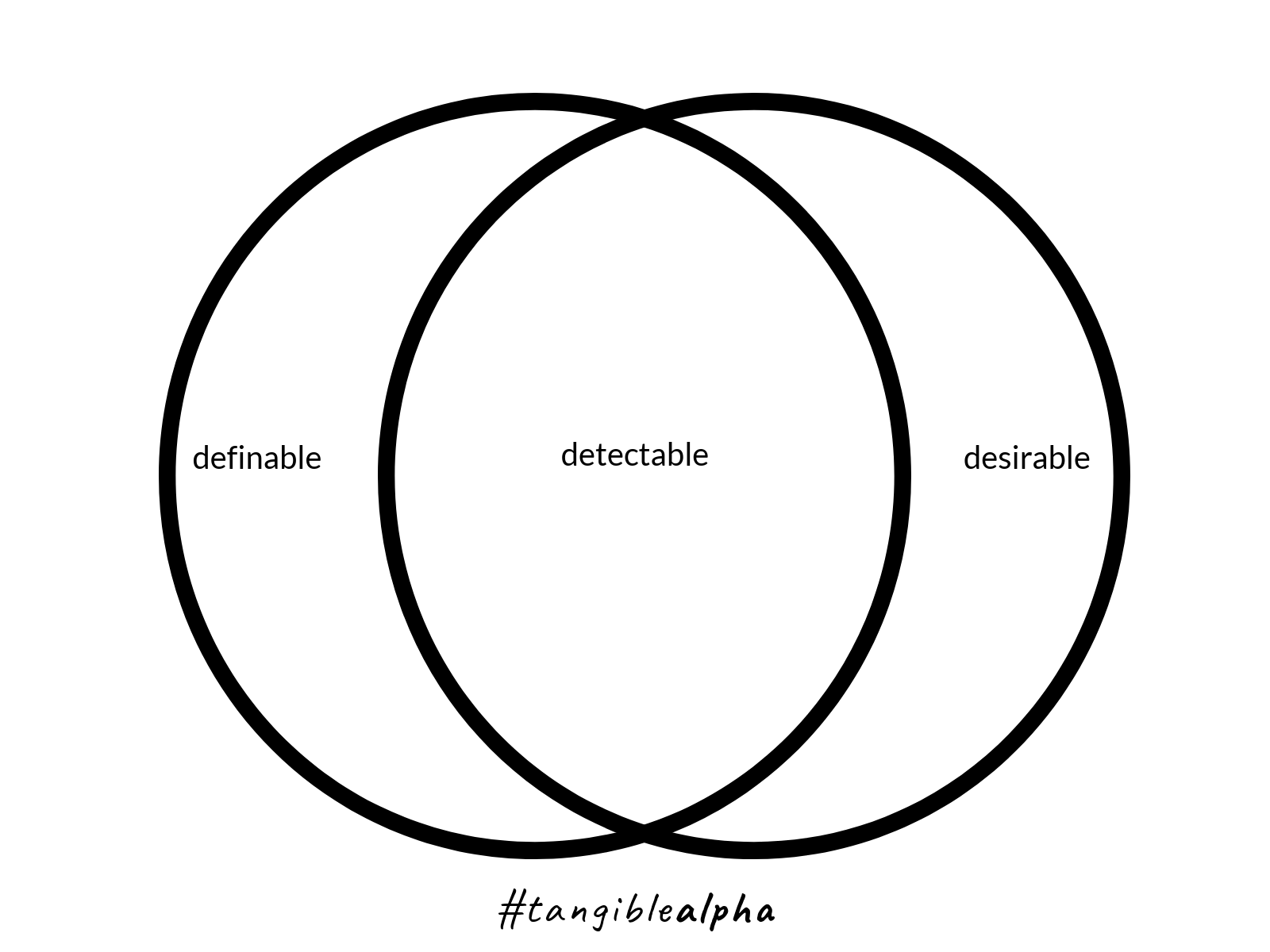
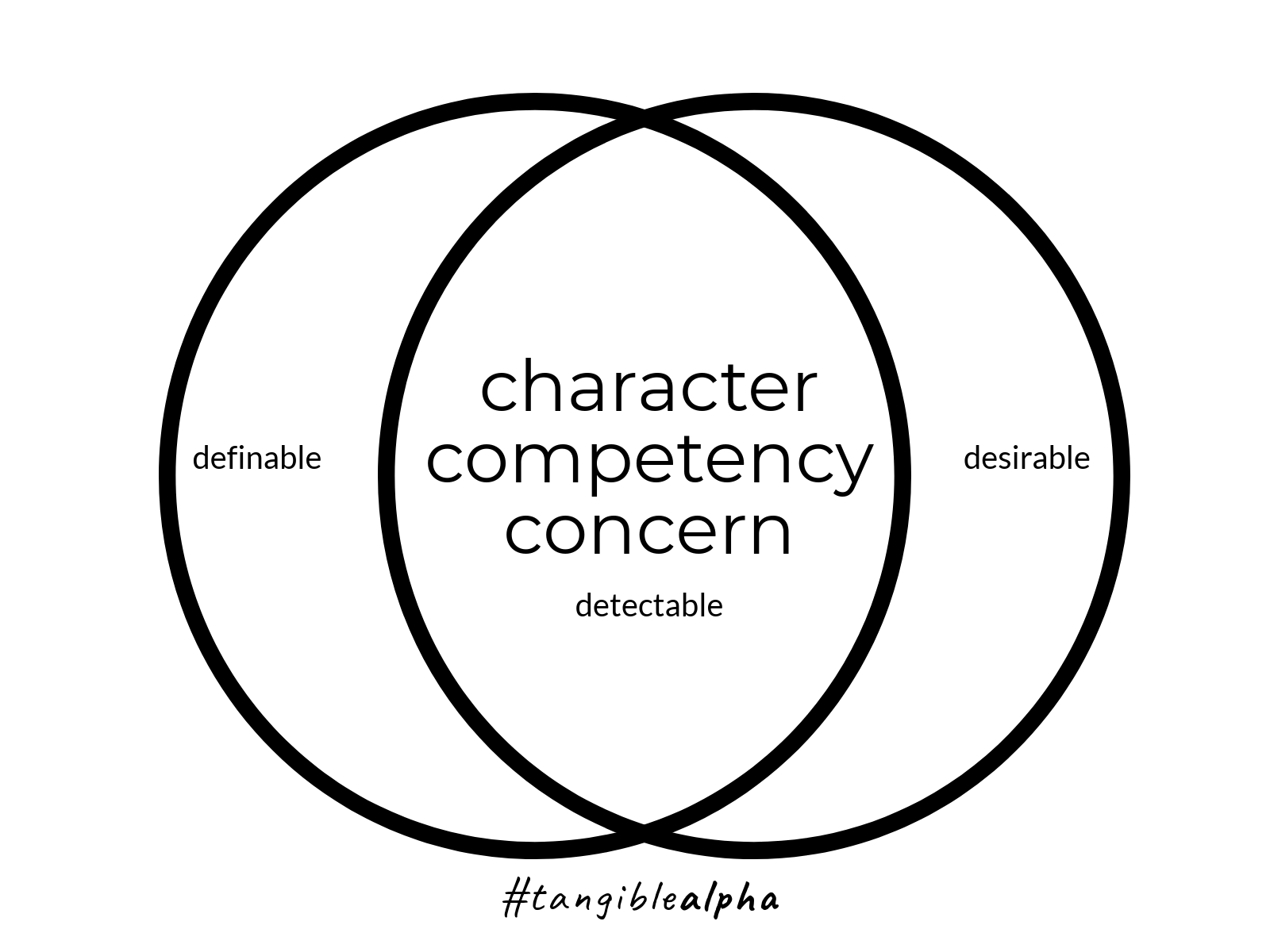
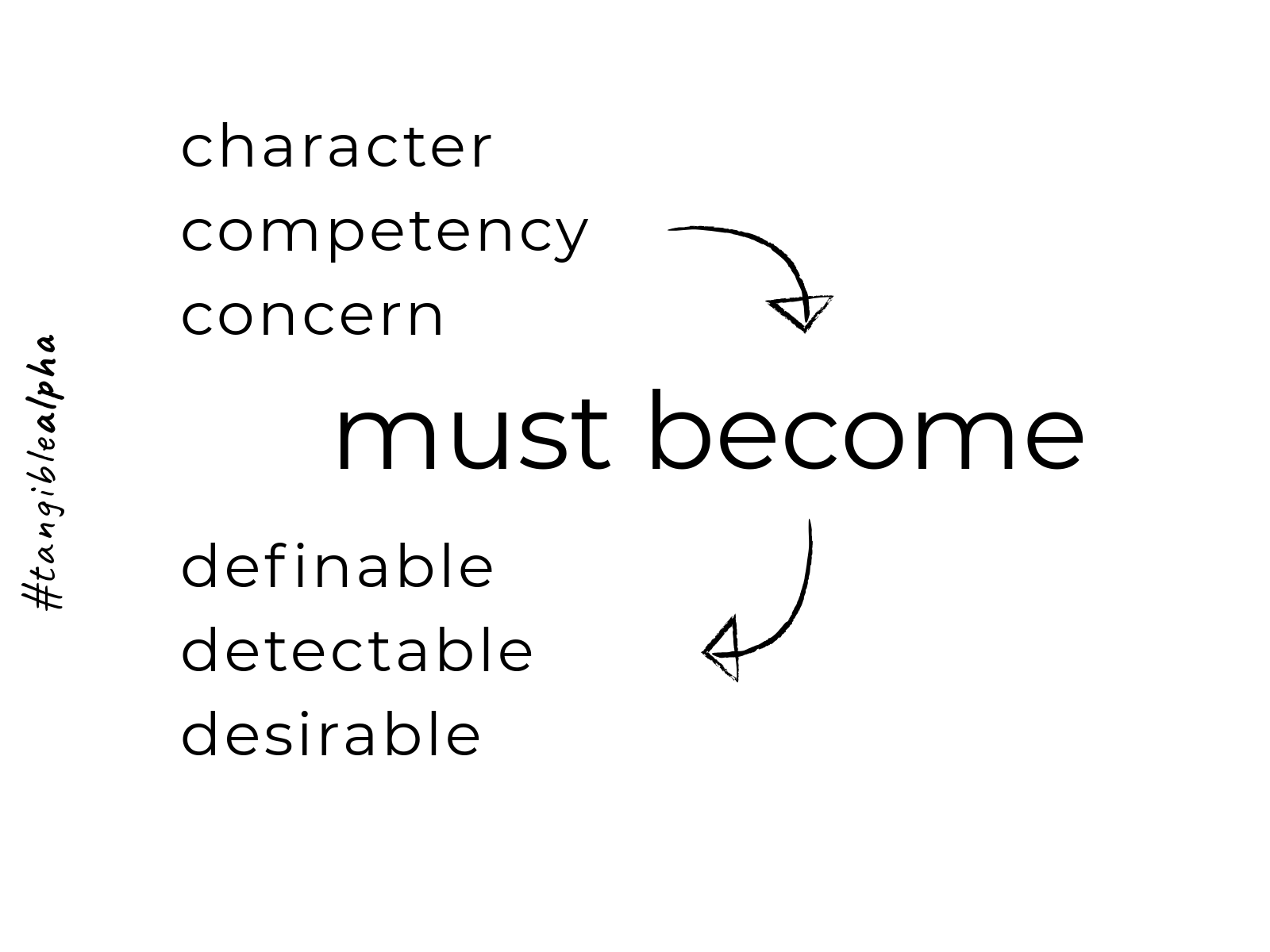
It’s ridiculous that financial services publications continue to equate conversations about investor behavior with lowering expectations. Conversations that matter about behavior have more to do with the actions of investors that correspond with the overall success or failure of their goals and dreams. Advisors must stop allowing themselves to be measured by the antiquated metrics of an industry that continues to publish tripe (like this) that only adds more confusion to their daily lives. Advisors must start designing the metrics that matter (to the advisor and the client).
Your Reading Filter
This article is two years old… the financial services industry has been publishing shit like this for 40 years… you can find one just like it anywhere you turn these days. The point of this post is to help you see what you are reading… don’t just go through the motions with the same old assumptions.
Some Good Thoughts
If the words in the article are highlighted in green the concept is sound… you might think about how you might implement those words into meaningful conversations of your own.
This isn’t about destroying the author who is just doing his job by interviewing an advisor about how they do stuff. This is about rethinking the status quo.
Think Outside The Black Box
The concept covered in the article is sound… you have to become more than a portfolio manager to add value to your clients. Holistic is a term some like to use… I don’t. You are managing Net Worth. The net worth of your valued clients requires you to get off of your ass (mentally) and be proactive about setting and maintaining expectations. If you are unable to set and maintain behavioral expectations with your ideal audience, your chances for survival in a robo-world are slim to none. It’s time for you to think outside the black box of industry defined value which is focused on ROI from capital markets… you must become more than a middle-man to your clients.
Collecting Meaningful Data
To remain relevant there is a progression you can follow that allows you to collect metrics that are germane to your existence. The progression is outlined throughout this website. Your unique data will help you thrive in a robo-world but you have to learn how to get that data in the most effective and efficient manner. Stop wasting your time on big data articles published by the industry and start discovering your own unique KPI. Then you will be able to filter through the noise (the stuff in red) with a more efficient outlook and highlight the stuff in green on your own.
Rethink your value and formulate your own plan here. 24/7